Psoriasis Doctor in Patna
Dr. Kishor Kumar
Psoriasis Doctor in Patna
Psoriasis Doctor in Patna
Psoriasis can appear in several forms. Understanding the type may help a healthcare professional assess symptoms and plan appropriate care
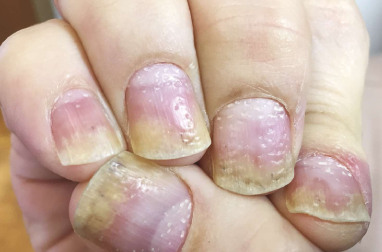
Nail psoriasis can cause pitting, discolouration, thickening or separation of the nail from the nail bed. Nail changes should be assessed because other conditions can produce similar symptoms.
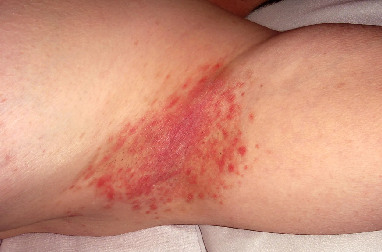
Inverse psoriasis usually affects skin folds, such as the armpits, groin and areas beneath the breasts. The affected skin may appear smooth, red and irritated.
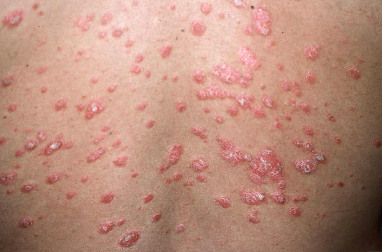
Guttate psoriasis often appears as small, drop-shaped spots on the skin. It may develop after certain infections and is more common in children and young adults, although it can affect others.
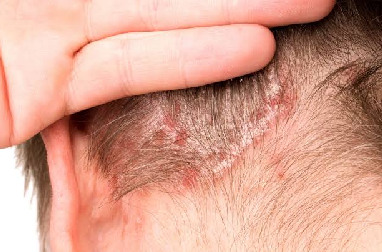
Scalp psoriasis may cause scaling, itching and thickened patches on the scalp. It can sometimes be confused with dandruff or other scalp conditions.
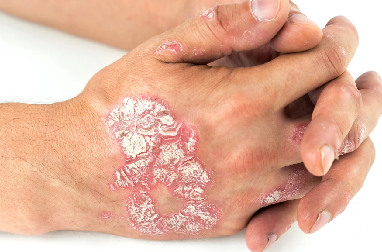
Plaque psoriasis is the most common type. It typically causes raised, inflamed patches covered with dry scales.
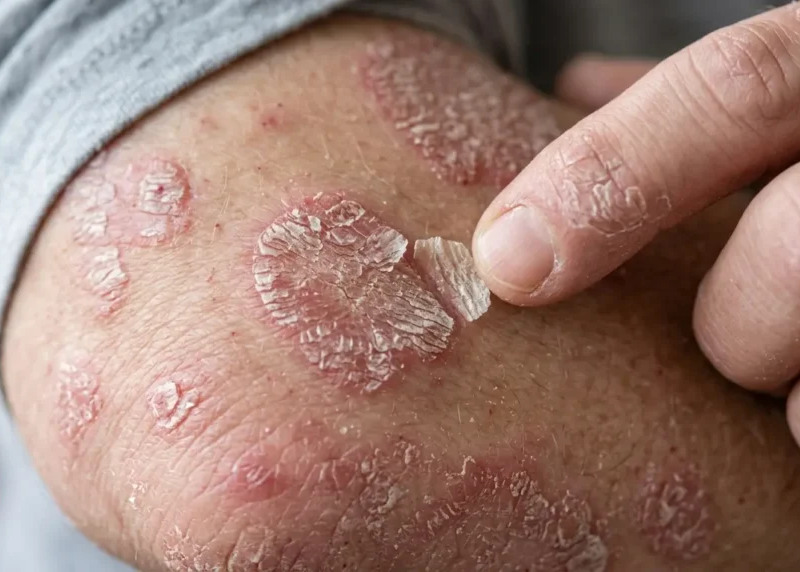
Psoriasis is a long-term inflammatory condition in which skin cells build up more quickly than usual, leading to visible patches and scaling. It is associated with the immune system and is not simply caused by poor hygiene.
Psoriasis commonly affects the elbows, knees, scalp and lower back, although it can appear on other parts of the body. Some people experience mild symptoms, while others may have more extensive skin involvement.
Psoriasis is not contagious. It cannot spread from one person to another through touching, sharing food or ordinary social contact.
The symptoms of psoriasis can differ depending on the type of psoriasis and the individual. Common signs include:
Some people with psoriasis also experience joint pain, swelling or stiffness. These symptoms may indicate psoriatic arthritis and should be assessed by a qualified medical professional.
If skin symptoms are persistent, spreading or affecting your daily life, consider seeking professional medical evaluation.
You should consider consulting a healthcare professional if you notice recurring scaly patches, persistent itching, skin cracking or symptoms that do not improve with routine skin care.
Professional assessment is especially important when:
A doctor can assess your symptoms, consider other possible skin conditions and recommend an appropriate care plan. Sudden, severe symptoms or signs of infection need prompt medical attention.
Psoriasis is a complex condition associated with immune system activity and an accelerated skin-cell growth cycle. Genetics can also play a role. It is not possible to identify the cause in every individual through symptoms alone.
Several factors may trigger or worsen flare-ups in some people.
Psoriasis can run in families. However, having a family history does not mean that everyone will develop the condition.
Emotional stress may trigger or worsen symptoms for some people. Stress management can be helpful as part of an overall health routine.
Cuts, scratches, sunburn and other skin injuries can sometimes lead to psoriasis lesions in the affected area.
Certain infections, including streptococcal throat infections, may trigger psoriasis or contribute to flare-ups in some individuals.
Cold weather and dry air may worsen skin dryness and discomfort. Individual experiences vary.
Some medicines can worsen psoriasis in certain people. Never stop prescribed medication on your own. Speak with the prescribing doctor if you suspect a medicine is affecting your skin.
Address: Grand Plazza Annexe, B -3, Fraser Rd, near Jagat trade centre, Dak Bunglow, CHORAHA, Lodipur, Patna, Bihar 800001
Psoriasis is a chronic inflammatory skin condition that causes skin cells to build up more quickly than usual. It can lead to red patches, scaling, dryness, itching and discomfort. Symptoms can vary from person to person.
No. Psoriasis is not contagious. It does not spread through touching, sharing food, using the same household items or being near someone who has the condition.
Consider a consultation if you have recurring scaly patches, persistent itching, painful or cracked skin, symptoms that are spreading, nail changes or joint pain. A professional assessment can help identify the condition and determine suitable care.
Psoriasis is a chronic condition, and there is currently no universally established permanent cure. However, appropriate treatment can help many people manage symptoms and achieve periods of clearer skin. Results vary by individual.
People may seek Ayurvedic consultation for personalized guidance about lifestyle, diet and general wellness. However, evidence for specific Ayurvedic treatments as effective psoriasis therapies is limited, and some products may cause harm or interact with medicines. Discuss treatment options with qualified healthcare professionals and do not stop prescribed treatment without medical advice.
Possible triggers include stress, skin injuries, certain infections, cold or dry weather, smoking, alcohol and some medicines. Triggers vary, so keeping a symptom diary may help you discuss patterns with your doctor.
There is no single list of foods that everyone with psoriasis must avoid. A balanced diet supports general health, and individual food concerns should be discussed with a qualified healthcare professional. Avoid restrictive diets unless medically advised.
Yes. Some people with psoriasis develop psoriatic arthritis, which may cause joint pain, swelling and stiffness. Early medical assessment is important if these symptoms occur.
Yes. Scalp psoriasis can cause scaling and itching, while nail psoriasis may cause pitting, discolouration, thickening or separation of the nail. A healthcare professional can assess these symptoms and recommend appropriate care.
Not all herbal products are safe or effective. Some may cause irritation, contain undisclosed ingredients or interact with medicines. Discuss any product with your healthcare providers before using it.
Stress can trigger or worsen psoriasis symptoms in some people. Relaxation techniques, physical activity, adequate sleep and professional support may help with stress management, although they do not replace psoriasis treatment.
You can contact Vedhive Ayurveda to enquire about consultation availability and discuss whether its services are appropriate for your needs.
Phone: 7603093166
Email: info@vedhive.in
Website: https://www.vedhive.in/